)
When Fuel Costs Spike, Smart Operations Win How automation and intelligent supply chain technology are helping businesses build resilience in 2026
When Fuel Costs Spike, Smart Operations Win
Vessel tracking data shows that up to 16 million barrels per day of oil have been disrupted through the Strait of Hormuz Gulf International Forum, with prices rising sharply oil up around 45 per cent and gas by 55 per cent since late February and Brent Crude surging well above US$100 per barrel. UN News ASEAN's economic ministers have warned that supply disruptions are already driving up freight, insurance, and logistics costs, contributing to inflationary pressures on energy, food, and other essential goods across the region. The Diplomat
For supply chain, warehousing, and intralogistics operators, the pressure is immediate. Transport costs are rising. Energy-intensive operations are becoming more expensive to run. With ESCAP warning that growth across developing Asia-Pacific economies could slow to around 4.0 per cent in 2026 UN News, every operational decision is under greater scrutiny.
The question is no longer whether to respond. It is how.
Do more with less energy, not more fuel
The most immediate lever for operators is inside the warehouse.
Automation is fundamentally shifting operations away from fuel-dependent systems toward electric, optimised environments. Autonomous mobile robots, goods-to-person systems, and automated handling equipment reduce travel distance, eliminate wasted movement, and significantly lower energy consumption per task.
More importantly, these systems do not rely on diesel-powered equipment or manual labour availability in the same way traditional operations do. When fuel prices spike or workforce access is disrupted, automated facilities continue to operate.
This is not just efficiency. It is continuity.
Density, throughput, and power efficiency
Automated storage and retrieval systems, including shuttle systems, mini-load, and vertical solutions, allow operators to do more within a smaller footprint.
Higher density means:
- Less energy required per unit stored and moved
- Fewer machines covering larger distances
- Lower overall power consumption at scale
In a high-cost energy environment, throughput per square metre becomes a critical metric.
Visibility reduces unnecessary movement
Fuel costs are not just a transport problem. They are a decision-making problem.
Operations without real-time visibility are forced into reactive behaviours, including emergency replenishment, inefficient routing, and excess handling. All of these increase fuel and energy usage.
Connected systems, from IoT sensors to fleet telematics and inventory platforms, allow operators to reduce idle time, optimise movements, and position inventory more effectively. The result is fewer unnecessary kilometres, fewer rushed shipments, and lower total energy exposure.
Reducing exposure to fuel risk altogether
The most significant shift is not incremental savings. It is reducing reliance on fuel entirely.
Electrified warehouse environments, powered automation systems, and digitally optimised operations allow businesses to:
- Operate with minimal dependence on diesel equipment
- Maintain productivity even when transport networks are disrupted
- Reduce exposure to fuel price volatility across their operations
IEEFA analysis shows that if energy prices remain elevated, the operational cost of fuel-dependent systems could increase by an estimated 32–37%. IEEFA In a market where energy prices can shift rapidly, reducing that exposure is a structural advantage.
Build for resilience, not just efficiency
If LNG and energy prices remain significantly above 2025 averages, the cost pressures on fuel-dependent operations are unlikely to ease quickly. IEEFA ESCAP has called for longer-term efforts focused on diversifying energy sources, trade routes, and supply chains UN News and for logistics operators, that means the same thing: structural redesign, not short-term absorption.
The businesses gaining ground are not just improving efficiency. They are redesigning operations to be less exposed to external shocks altogether.
That means investing in automation, visibility, and systems that reduce reliance on fuel, labour variability, and reactive decision-making.
Because when fuel costs spike, the winners are not the ones who absorb the cost.
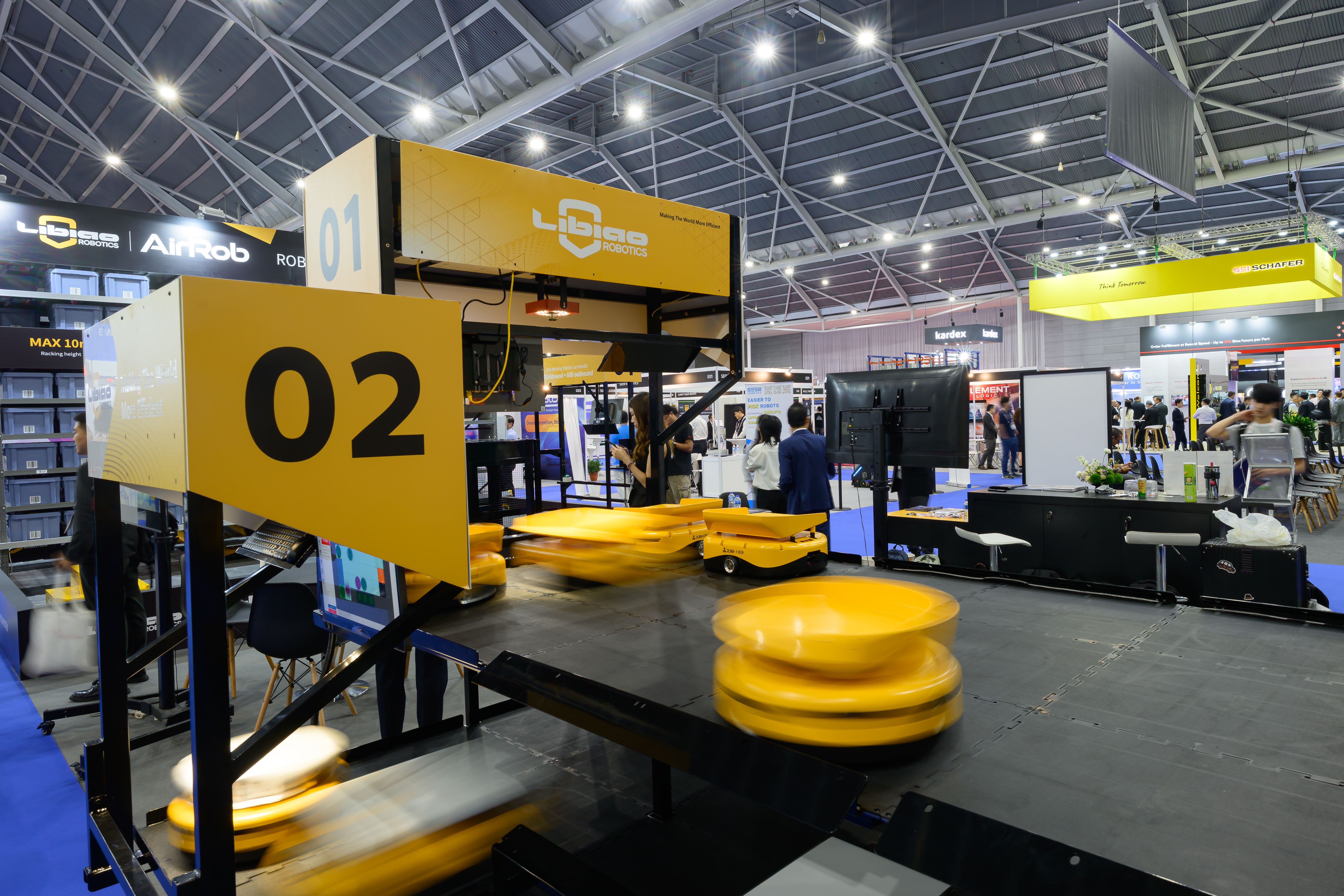
See the solutions in action
CeMAT Southeast Asia 2026 brings together the full spectrum of warehouse automation, intralogistics, and supply chain technology including the systems and platforms described above under one roof at Singapore EXPO, 12–14 May 2026. See our full exhibitor list here.
If your operation needs to do more with less this year, this is where the conversations start.